

rumundamomap.webp

Coffea arabica first grew wild in the forests of south-western Ethiopia, and the country still holds more of its genetic diversity than anywhere else. This genetic wealth stretches through to the southern highlands and defines the recognisable character of Ethiopian coffee. In Sidama, communities farm at very high altitudes across varied microclimates, creating conditions that consistently deliver clarity and complexity in the cup.

Rumudamo is one such kebele, lying in the Arbegona district at elevations reaching 2200 to 2400 metres. Its name translates locally as both 'fertile land' and 'many tree roots', a reflection of the dense vegetation and agricultural potential of the slopes that surround the washing station.

rumudamo_natural_flaour_chart_26.webp

Rumudamo is a ripe, juicy fruit-forward coffee. Blueberry and strawberry define the whole cup, with stone fruit and silky milk chocolate underneath, soft and sweet on the palate. That sweetness is high and balances a bright, juicy acidity, and keeps the fruit plush. Violet florals come through in the aroma and again on the finish, where a light oolong tea note settles on the back of the tongue and stays there. The body is smooth, with a delicate fullness. Drunk black, the fruit and florals stay clear from the first mouthful to the last.
We have roasted this lot light, with filter and immersion brewing in mind. It is best enjoyed without milk, allowing the fruit, florality, sweetness to shine through.

ilu.webp

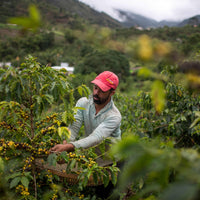
Daye Bensa Coffee, the exporter founded by brothers Asefa and Mulugeta Dukamo, manages the Rumudamo washing station. Around 700 smallholders deliver cherry here, typically from plots of less than two hectares, and Daye Bensa runs agronomic training and support for the farmers who supply it. Today, Rumudamo remains a focal point for innovation in processing.

This lot is a natural, from 74158 and local landraces. The ripe cherries dry whole on raised African beds for about three weeks, spread in thin layers so the air moves evenly through them. Many producers credit this slow, even drying with the sweetness and juicy fruit character of Sidama naturals.


you might also like: