melaodecafmap.webp

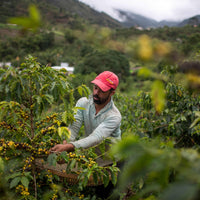
Huila sits between the Central and Eastern cordilleras in south west Colombia, passing through the communities of Pitalito, Acevedo, Palestina, Timaná, and Suaza. Dramatic green hills, high elevation, cool nights and volcanic soils give the region a reputation for cup quality that few parts of the country can match. Farms tend to be small, and producers here have widely adopted the Pink Bourbon cultivar, prized for a sweet, expressive character often compared to melao, the panela syrup that runs through so many Colombian desserts.


Because producers manage processing themselves, two farms in the same valley can taste nothing alike. That variation is what makes Huila one of Colombia's most respected origins for traceable micro-lots. Typically producers depulp and dry ferment for 20 to 50 hours on their farm, wash to arrest fermentation, then dry for 15 to 25 days.

melaodecafchart.webp

Everything you would expect in specialty quality Colombian coffee is present in Melao. Flavours of brown sugar and milk chocolate act as the focal point, held in place by the medium roast. Around this, raisin, dried redcurrant and roasted almond lead, with brown spice and vanilla building on the finish. That panela sweetness rounds everything together, with a plush and moreish mouthfeel underneath. The acidity is mellow, enough to add structure and complexity as the coffee cools.

melaodecafillustration.webp

The care that goes into this lot matches every other specialty coffee these producers grow. After harvesting and washing, the coffee travels to Manizales for decaffeination using the sugarcane Natural EA (Ethyl Acetate) process.

Every decaf uses a solvent to pull caffeine out, and drawing that solvent from natural sources matters to us. This method takes its ethyl acetate 100% from sugar cane, mixed with mountain water. The caffeine leaves without taking the flavour with it, and the result is definitely not your everyday decaf.


you might also like: