
DonJaimepacamaramap_9bbeb8e2-708e-4bab-b0d0-2107a7f3b0e2.webp

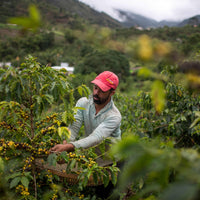
The high-altitude Chalatenango district of Alotepec-Metapán in El Salvador is known for producing some of the country's most exceptional, often award-winning coffees. We first met Jaime Guevara a decade ago because his farm, Finca Don Jaime, had won a prestigious local quality award. Since then, Jaime's coffee has consistently delivered a delicious and approachable cup, beautifully representing the classic profile of El Salvadorean coffee.

The farm focuses on producing small, carefully managed micro-lots and Jaime has kept winning awards for his coffee since we met. Embracing innovation, Jaime was one of the first adopters in the region of raised drying beds to meticulously control the drying process after fermentation. This move away from the traditional El Salvadorean concrete patio method has proven to be a quality game-changer. Building on this progress, we collaborated with Jaime to build a shading system for the beds, which slows the drying, holds the sweetness in the micro-lots, and cuts the risk of overfermentation.

donjaimepacaschart.jpg

Jaime's 2026 Pacas micro-lot represents the high-quality potential of Chalatenango perfectly. Dessert-like notes of ripe cranberry and roasted almond nougat combine over a sweet sugar cane base. Subtle notes of plum and kiwi bring more depth, while a juicy orange citrus acidity adds structure while remaining perfectly balanced with the sweetness. The finish is composed, with the clarity, structure and sweetness typical of well-grown Pacas.


Balanced, accessible coffees like Don Jaime are ideal for experimenting with different coffee makers, each of which accentuates different flavours. If you are brewing Don Jaime as an espresso we’ve added a starting recipe we enjoyed in the lab on a La Marzocco GS3/VST20g basket/k30 grinder below.

donjaimepacamaraillustration.webp

This is a Pacas honey micro-lot, one of four cultivars on the farm. Pacas is Salvadoran, renowned for its harmonious blend of moreish flavours, and its excellent adaptation to high-altitude growing conditions in Central America.


you might also like: