
Northern Panama has gained a well-deserved reputation for producing exceptional Gesha coffee. Nestled within the fertile volcanic soils and misty cloud forests around Volcan Baru, this region has truly become the spiritual home of Gesha coffee.


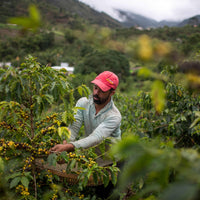
Finca La Fortuna lies on one of those rich volcanic slopes, at Alto Quiel, around 1,550 metres. Ancient cenizos trees stand over the coffee, some of them more than 200 feet, and the shade they throw is deep and constant. This is the kind of ground Gesha thrives in. The farm belongs to the Fernandez family, now four generations into their work on these hills. The family's roots in Panama run back to Joseph De Dianous, a French engineer who came in 1880 to work on the canal. In 1914 his son Gabriel bought land in Bajo Mono and planted Finca Gladys, named after his wife. Over time a handful of neighbouring plots were added, including La Fortuna around twenty-five years ago.
This is the plot dedicated to Gesha.

CAfetaleraFernandezchart.jpg

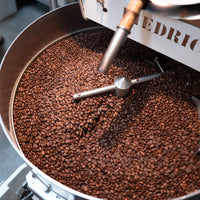
We roast it light and fast, to preserve the very best of this beautiful and articulate gesha. We use only enough heat to build sweetness and complexity and allow the detail to shine. Jasmine florals and plush stone fruit are the two main flavour notes, with ripe peach giving the cup its immediate focal point. White chocolate, raspberry and mandarin orange build gentle depth and support the core flavours. The light fast builds a sugar cane sweetness and supports a refined oolong style delicate mouthfeel ideal for filter brewing. Acidity remains lively and juicy, linking the fruit and florality without overwhelming either. The structure holds throughout the cup and closes with a long, clean finish that highlights the coffee’s supreme balance.

CafetaleraFernnadezillustratio.jpg

When they built the first eco-wet mill in Panama, the first thought was the Baru ecosystem and how to look after it better. This longer view for a collective benefit also shapes the Fernandez family's support and advocacy for the improvement and development of Gesha with their farming neighbours.

The benefits of this improvement over the decades can very much be seen in their coffee, aided by their thoughtful eye for processing. They take their Gesha through its own deliberate sequence with real intent. It begins at selective harvest, moves through an extended fermentation and a wash that lifts the mucilage clean away, and ends in a slow phase of low temperature, low humidity mechanical drying, a quiet and unusual way to hold delicate flavour in place. The family are deeply proud of their washed coffees above all, taking the view that washing shows the cultivar and the terroir with the least between you and them.

Before export, the coffee rests for at least three months, then goes to milling and shipment, making this lot about as fresh as the 2026 harvest gets. Gesha at this altitude, on this soil, worked by a family that has farmed these slopes for four generations, carries all the poise and grace the region is known for.


you might also like: