
marshelmap.jpg

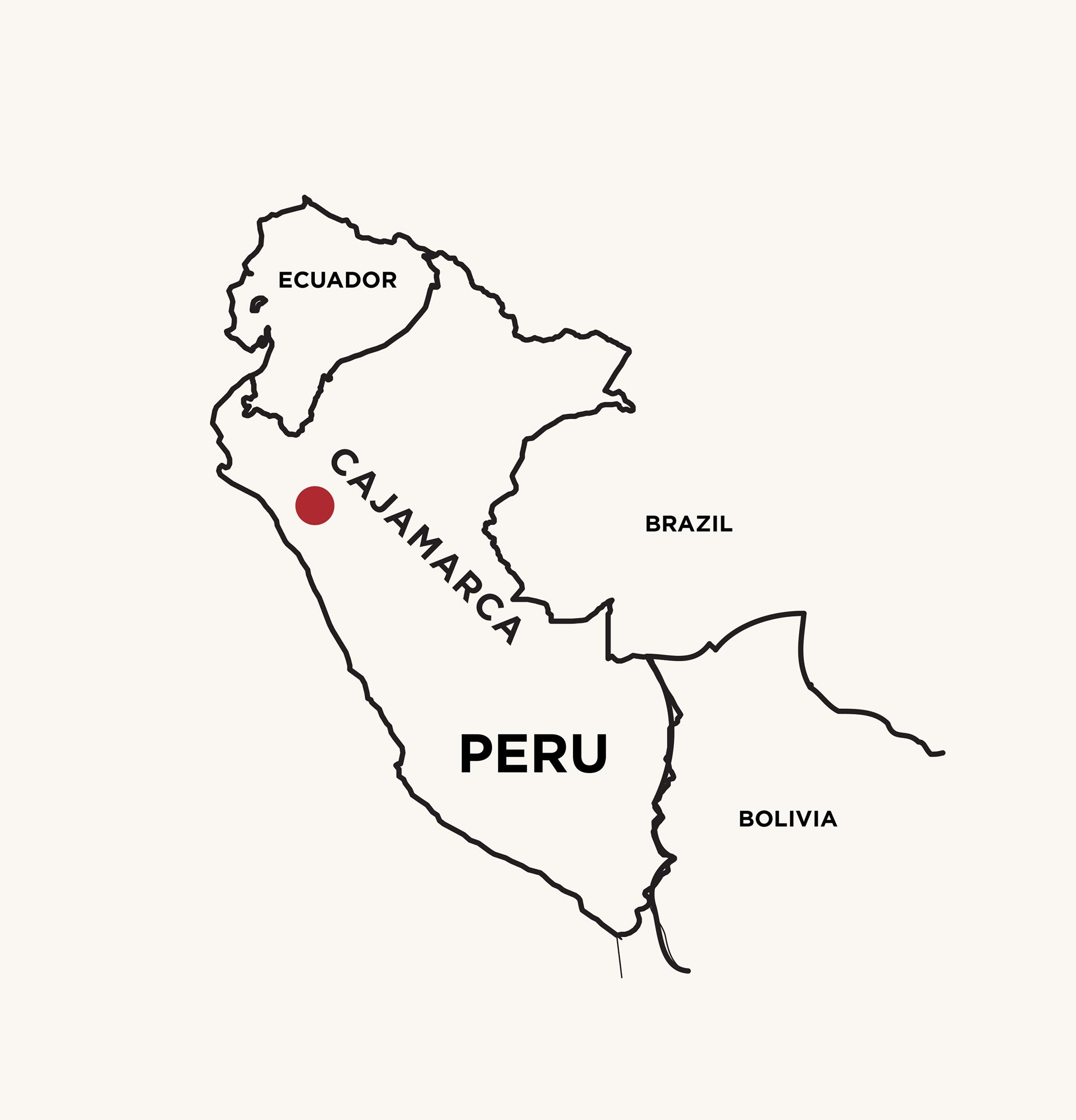
The stunning, soaring Andean peaks of San Ignacio in Northern Peru provide optimal shade and humidity for growing specialty coffee. Here’ towards the Ecuadorian border the farms around La Coipa and El Laurel climb steeply from the valley floors, reaching 1,750 metres and more.

Most of the Arabica here is made up of traditional selections like Bourbon and Typica, or improved Catimors. This is a much narrower genetic range than you find in Ethiopia which makes what happened at La Lucuma remarkable.

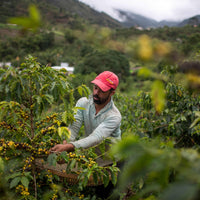
Marcelino Chinguel has been farming at La Lucuma for over forty years. The farm runs as a family operation. Marcelino and his wife Grimanes, their two sons Franclin and Yocner, and up to eight pickers at harvest time from the local villages. Grimanes takes a great deal of care with the farm and after an outbreak of Ojo de Gallo (Rooster's Eye, a fungal disease that strips the leaves from coffee trees) she noticed some plants still thriving. She began selecting from them, propagating them, naming them. In 2019 she entered this selection, at the time unrecognised, in Peru's Cup of Excellence, naming it Marshel. It placed first and the family have been producing Marshel micro-lots from La Lucuma ever since, occasionally shared with neighbouring farms, and it remains one of the most distinctive coffees coming out of Peru right now.

corazon_chart.webp

The Marshel variety produces a full and juicy natural. Blackberry and pomegranate sit over a base of treacle and prune, giving the cup its weight and depth. The acidity is jammy, supporting the sweetness, and the body stays rounded throughout. As the coffee cools, mandarin range adds a citrus brightness that brings structure and clarity. Roasted almond runs underneath and extends the aftertaste to a long finish.

corazon_iluuuuu.jpg

The Marshel cherries are picked hand sorted, floated, and left to rest for sixteen hours before going out to dry on raised beds in a solar drier for just under four weeks. This resting period before drying matters, allowing the initial fermentation to develop before the heat of the drier slows everything down. In natural processing this early stage shapes much of the fruit character that ends up in the cup. Processing like this is nuanced and careful building flavour and balance.


you might also like: