
yunguillaecuadormap.webp

Ecuador is almost certainly one of the coffee growing countries to have most radically changed preconceptions of coffee quality over the last decade. This has been driven by a combination of varied and often exceptional terroir, unique Arabica cultivars and forward thinking, quality minded producers.

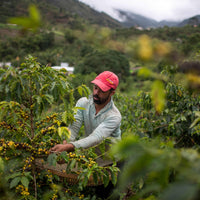
Juan Peña is at the forefront of Ecuador’s vision of quality and runs three farms in different regions of the country including Yunguilla. The Sidra cultivar is Ecuadorian and a common thread across all Juan’s farms. Recently it has drawn serious buyer attention for its tropical fruit intensity and floral character. The farm sits at a medium high altitude that benefits from warm Pacific winds through the day, and cooler altitude nights. That daily temperature swing is what gives the cherry the time it needs. The farm combines local farming traditions with a sophisticated monitoring system that records microclimate conditions and cherry maturation through the crop cycle. Juan Peña calls it the Integrated Coffee Pulse system.

yunguillaecuadorflavourchart.webp

This light roast Sidra is full of fresh raspberry, tropical lychee over a sugar cane base. Kiwi fruit and citrus keep the coffee bright and juicy before a hint of coconut comes through. Butterscotch sweetness builds, rounding a silky mouthfeel. The finish is long and clean supported by a juicy acidity, enough to lift the profile without sharpness
If you’re yet to try Ecuadorian coffee before, and are a fan either of the balanced accessible coffees of Latin American coffees or the expressiveness of East African origins, then we thoroughly recommend Vallejito as a way of starting out in this underrated and fascinating country.

yunguillaecuadorillustration.webp

The natural process here is straightforward in principle and attentive in execution. Cherries are selected at peak ripeness and uniform density, rinsed with clean water, sorted once more, then moved to raised African beds or solar drying rooms. Temperature, humidity, and airflow are monitored throughout, holding the drying curve stable. The drying the coffee is turned three to four times daily over the course of a month and it is that slow pace driving subtle in-fruit fermentation while retaining sugars. The result is a cup full of dense caramel and jammy berry.


you might also like: